 Last updated: August 2026
Socks and tights are firmly in the wardrobe essentials category for most of us. They might not be the most exciting things we buy, but they are the staples we reach for constantly, particularly when the weather turns cold.
A good pair of tights can make a summer dress wearable well into autumn, while a decent pair of socks can make the difference between being comfortable all day and regretting your footwear choices by lunchtime.
The problem is that sustainable tights and socks can be surprisingly difficult to find. Tights in particular are often made from synthetic fibres and designed to be disposable, which means you're replacing them over and over again when they ladder or lose their shape.
If you're trying to build a more sustainable wardrobe, hosiery is one of those small areas where making a better choice can make a real difference. You don't necessarily need to buy the most expensive option or replace everything you already own. Instead, look for durable, well-made socks and tights in materials that are less harmful and, most importantly, buy fewer pairs that you'll actually wear.
Below are the sustainable and ethical tights and socks I personally like, along with some other brands worth looking at if my favourites aren't quite right for you.
Some of the following are affiliate links.

My Favourite Sustainable Tights and Socks
Snag Tights
If you hate tights but need to wear them, Snag is one of the brands I'd recommend trying. I've worn their tights for years and they're the only ones I've found genuinely comfortable. They're designed around both height and width, rather than simply scaling up the same measurements, which means they actually fit properly without falling down, bunching at the ankles or feeling uncomfortably tight.
They also have an impressive range of sizes, skin tones, colours and deniers, from lighter 50 denier tights to much thicker 80 and 120 denier options. What I particularly like is how little I notice I'm wearing them. They stay where they're supposed to and don't constantly need pulling up, which is more important than it sounds when you're wearing tights all day.
I can't say they're the most sustainable tights I've ever come across, but Snag does have a tights recycling programme, and for me, good fit and durability are an important part of making a more sustainable choice. I've yet to ladder a pair without accidentally putting a fingernail through them, which is about as good a review as I can give.
Panda Food
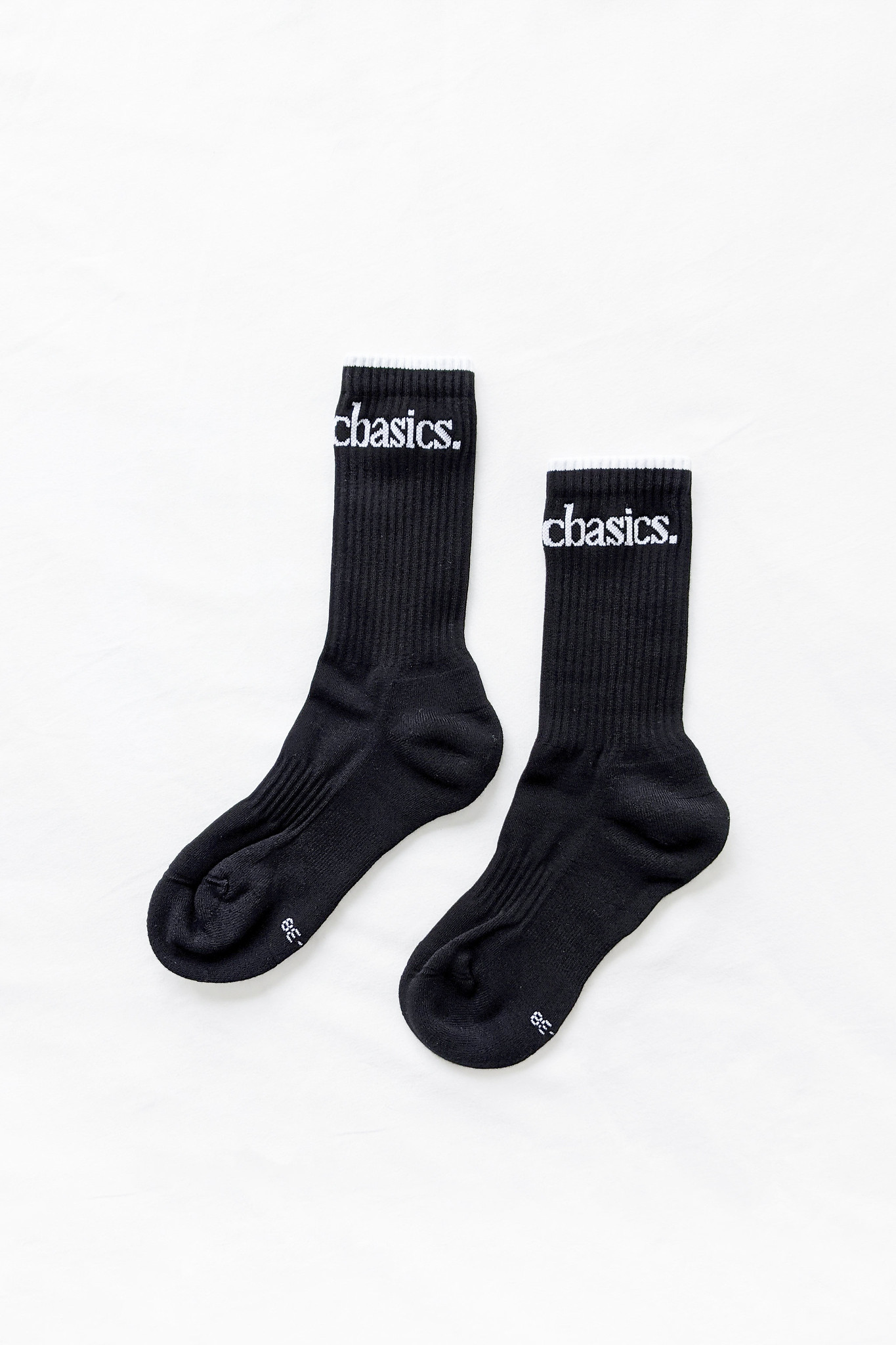
Panda Food is a small British brand founded in London in 2023, and my drawers are well stocked with their bamboo socks. Their crew socks are a good everyday option if you want something soft, thick but still breathable. The hiking socks are a little thicker, making them warmer and more comfortable on longer walks, particularly with chunky boots.
Both have a cushioned heel and sole, seamless construction and a cuff that stays in place without feeling too tight. I've found them comfortable for everyday wear and like that they don't feel overly bulky in shoes. They're the kind of basic that does exactly what it's supposed to, which is really all I want from a good pair of socks.
Bamboo is a useful alternative to the wool that's commonly used in socks, particularly if, like me, you avoid animal fibres. While I wouldn't claim bamboo is automatically a more sustainable choice—how it's processed matters—I like having a vegan alternative to wool socks that still feels soft, comfortable and practical.
What Makes Tights and Socks Sustainable?
It's easy for brands to use words like eco-friendly and sustainable when selling basics, but there are a few things I look for when deciding whether a pair of socks or tights is actually worth buying.
Material matters. Organic cotton, recycled fibres and other lower-impact materials can be preferable to virgin synthetic fibres, although no material is automatically sustainable. It's always worth looking at what a brand actually says about its materials rather than relying on vague marketing language.
Durability matters even more. The most sustainable pair of tights or socks is arguably the pair you don't have to replace every few weeks. Look for reviews mentioning longevity, reinforced toes and heels, good construction and fabric that doesn't quickly lose its shape.
And then there's how much you actually need. You don't need a drawer full of socks simply because they're inexpensive. A small collection of good-quality pairs that you wear regularly is likely to serve you much better than dozens of novelty pairs that spend most of their lives at the back of the drawer.
The same applies to tights. If you know you wear black tights constantly, it makes much more sense to invest in a few good pairs than continually replacing cheap ones.
Sustainable fashion doesn't have to mean finding a perfect product. Sometimes it simply means buying something better and keeping it for longer.
Where to Buy Sustainable Tights
If my favourites aren't quite right for you, these are some other brands worth exploring for sustainable and ethical tights:
Where to Buy Sustainable and Ethical Socks
For sustainable socks, these are some of the brands I'd look at:
There are plenty of options here, but I'd still recommend starting with what you actually need rather than shopping the entire list.
If you wear ankle socks every day, buy good ankle socks. If you're constantly wearing tights with dresses and skirts, invest in tights that fit properly and can withstand regular wear. You don't need to overhaul your entire hosiery drawer in one go.
And if your existing socks and tights are still perfectly wearable? Keep wearing them.
Replacing something just because you've discovered a more sustainable alternative isn't the most sustainable choice. Use what you already own until it genuinely needs replacing, then choose a better option when the time comes.
That's usually the simplest approach to building a more sustainable wardrobe and, thankfully, you don't need a drawer full of new socks to do it.